5lfjy6m7hz2
hvac maintenance plans that keep your home steady
You want reliable comfort without surprise breakdowns. hvac maintenance plans give you structure: regular checkups, documented readings, and quick help if something drifts out of spec. Not every system will fail without it, but small, preventable issues tend to grow louder and pricier over time.
Why a plan matters
Heat and cool cycles loosen connections, dust blankets coils, and drains clog quietly. A plan catches those slow-burn problems. It also creates a record you can point to - useful for warranty conversations and for your own peace of mind.
- Comfort that lasts: steadier temperatures, fewer hot/cold spots.
- Efficiency you can feel: cleaner coils and proper airflow help the system do the same work with less strain.
- Fewer surprises: weak capacitors, failing contactors, and borderline refrigerant charge get flagged early.
- Proof on paper: technicians log readings; you see trends, not guesses.
- Warranty alignment: many manufacturers expect documented seasonal care - skipping it can quietly complicate claims.
Quiet proof helps: after coil cleaning and airflow correction, utility bills sometimes show a modest dip, and start-up sounds often smooth out - subtle, but noticeable when you pay attention.
A small real-world moment
Tuesday in July, late afternoon. The house feels a touch muggy, not bad, just off. Your plan's spring visit notes show a borderline capacitor. You call; the tech references the log, stops by, replaces it, and leaves the old part with a printed reading. The air dries out; dinner stays comfortable. Crisis avoided without drama.
What a typical plan includes
- Full system inspection: indoor and outdoor units, duct connections, and safety controls.
- Coil and drain attention: light cleaning, pan check, and clear condensate line.
- Electrical tests: microfarads on capacitors, amperage on motors, contactor condition.
- Airflow verification: filter check, blower cleanliness, and static pressure measurement when applicable.
- Refrigerant performance check: superheat/subcool evaluation within manufacturer guidance.
- Thermostat calibration and mode checks.
- Documentation of readings and recommended follow-ups.
Common add-ons (useful, but optional)
- High-MERV or media filters sized to your system.
- Duct sealing or balancing if rooms disagree on temperature.
- Smart thermostat updates and schedules tuned to your routine.
How to choose a plan without overthinking it
- Confirm licensing, insurance, and local reputation; ask for sample service reports.
- Compare the scope, not just the price: look for coils, drains, electrical tests, and measured airflow - not just "visual checks."
- Ask about response windows for no-heat/no-cool calls.
- Look for clear parts/labor discounts and no-surprise fees.
- Prefer plans that hand you numbers (before/after). If two options seem equal, pick the one that documents more.
Proof points you can verify
- Supply/return temperature split recorded and stable season to season.
- Total external static pressure within acceptable range for your equipment.
- Motor amperage at or below nameplate ratings.
- Capacitor readings within tolerance, not just "looks fine."
- Superheat/subcool values noted against manufacturer charts.
- Dry drain pan and clear line after service.
What a visit feels like, step by step
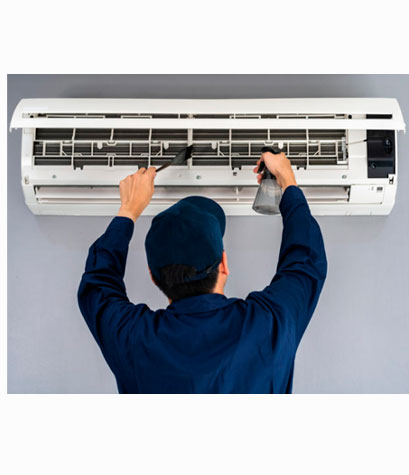
A brief conversation about any new noises or rooms that feel off. Filter check. Outdoor unit cleaned and inspected. Electrical components tested and tightened. Indoor cabinet, blower, and drain assessed and corrected as needed. System run in both modes as appropriate. Readings recorded, small fixes made on the spot, next steps (if any) explained calmly with photos or numbers.
Simple things you can still do yourself
- Change filters on schedule; mark the date so you don't guess.
- Keep returns unblocked; give vents room to breathe.
- Trim vegetation around the outdoor unit; air needs space.
- Glance at the condensate line for kinks or algae.
- Listen: new rattles or longer run times deserve attention - beyond that, stop and call.
Costs and timing, briefly
Pricing varies by region and system count. Most homes benefit from two visits per year - heating before cold weather, cooling before the first sustained warm spell. You may not notice dramatic changes after a tune-up, and that's fine; the absence of drama is, quietly, the goal.
Signals your plan is working
- Fewer emergency calls - and when they happen, faster diagnosis.
- More consistent room temperatures and quieter starts.
- Cleaner registers and less dust cycling back into the space.
- Utility spend that holds steady relative to weather, not creeping up without explanation.
- A tidy folder of reports that makes future decisions easier.
In short, a well-built plan trades uncertainty for measured care. It won't make an old system new, but it can keep a good system honest - and that honesty is the most useful comfort of all.